Why People Use Linux: Understanding the Real Purpose of Choosing Linux
Introduction: Why Do People Actually Use Linux?
If you’ve spent time around IT professionals, programmers, or homelab enthusiasts, you’ve probably heard them say things like “Linux is better,” “I only trust Linux servers,” or “Switch to Linux if you want more control.” But what does that actually mean? Why do so many people choose Linux instead of Windows or macOS? What’s the true purpose of using Linux, especially in 2025 when almost everything seems to run on some form of Linux behind the scenes?
The truth is simple: Linux isn’t just another operating system. It’s a philosophy, a toolbox, a learning platform, and a powerhouse for servers and production workloads. Whether you’re a developer, gamer, system administrator, or a casual user, Linux fills a particular need—and for many, it becomes the perfect long-term solution.
In this article, we’ll dive into the real reasons and purposes behind using Linux, explained in a friendly, beginner-friendly way.
1. Linux Gives You Full Control Over Your System
One of the biggest reasons people use Linux is control. Unlike Windows and macOS, which hide many parts of the system from users, Linux exposes almost everything. You decide:
- What software gets installed
- How the system handles resources
- What services run in the background
- What updates to apply
- How your desktop looks and behaves
Nothing is forced. No hidden processes. No unwanted telemetry.
For many users, especially developers and power users, this level of control is the main purpose of using Linux. It gives them freedom to customize and control their environment exactly the way they want.
2. Linux Is Free and Open-Source
Let’s be honest—this alone makes Linux extremely appealing. Linux is:
- Free to download
- Free to use
- Free to modify
- Free to share
You won’t pay a cent for the OS. There are no licenses to manage, no activation keys, no subscriptions.
But the real value is in the open-source nature. You can see the code, audit it, learn from it, or even contribute to it. This transparency builds trust, especially for organizations that need to ensure their system is secure and free of hidden backdoors.
For students, hobbyists, and small businesses, the zero-cost factor is a major purpose behind switching to Linux.
3. Linux Is Extremely Stable (And Rarely Needs Reboots)
If you ask a system administrator why they run Linux servers, they’ll say something like:
“Because it just works.”
Linux systems can stay running for years without rebooting. You can update nearly everything without restarting the entire machine. This stability is why:
- 90% of cloud servers use Linux
- Most web servers run on Linux
- Android (based on Linux) powers billions of devices
- Supercomputers run Linux
Linux is designed for long-term stability and efficiency. For professionals managing servers or critical systems, this reliability is the core purpose of using Linux.
4. Linux Is More Secure by Design
No operating system is “unhackable,” but Linux has major security advantages:
- Built-in permission system
- Secure default configurations
- Open-source transparency
- Smaller attack surface compared to Windows
- Fast patch cycles
- SELinux and AppArmor security layers
Linux also doesn’t allow random programs to run without explicit permission. And since Linux doesn’t rely on EXE files or unsafe registry entries, malware struggles to operate.
This makes Linux the preferred OS for:
- Servers
- Firewalls
- Routers
- Security professionals
- Penetration testers
If your purpose is security, Linux is the obvious choice.
5. Linux Makes Old Hardware Feel New Again
One of Linux’s underrated benefits is its ability to run on almost anything—even hardware that is considered “dead” by Windows standards.
Lightweight distros like:
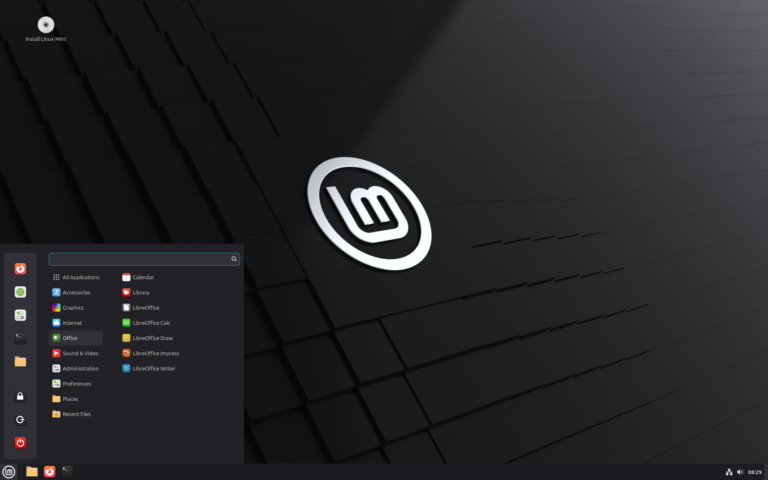
- Linux Mint
- MX Linux
- Lubuntu
- Puppy Linux
- antiX
…can run smoothly on computers with as little as 1–2 GB of RAM.
This makes Linux perfect for:
- Reviving old laptops
- Rebuilding PCs for home offices
- Setting up lightweight servers
- Building homelabs or kiosks
If your purpose is to save money and reuse old equipment, Linux is the best solution.
6. Linux Is the Best Environment for Programming and Development
This point is huge. Most programming tools, especially web and server technologies, run natively on Linux. Developers choose Linux because:
- It includes powerful tools like Bash, SSH, Git, and GCC
- It supports dozens of programming languages out-of-the-box
- Package managers make installing tools simple
- Containers (Docker, Podman) work best on Linux
- It mirrors real server environments
Whether you’re learning Python, building a website, managing databases, or deploying cloud apps, Linux gives you a professional-grade toolkit for free.
For many, their purpose in using Linux is to learn programming or to work more efficiently as a developer.
7. Linux Offers a Massive Choice of Distros
Unlike Windows or macOS, Linux comes in many flavors (called distros). You can choose a distro that fits your purpose perfectly:
- Ubuntu → Beginner-friendly, all-purpose
- Debian → Ultra-stable
- Fedora → Cutting-edge features
- Arch Linux → Full control, DIY
- OpenSUSE → Great for professionals
- Pop!_OS → Excellent for creators & gamers
- Rocky Linux/AlmaLinux → Enterprise-grade stability
This variety is one of Linux’s biggest strengths. If you want something lightweight, flexible, or highly advanced, there’s a distro for your purpose.
8. Linux Is Excellent for Servers, Homelab, and Self-Hosting
Most people don’t realize this, but the internet basically runs on Linux.
If you’re building:
- A web server
- A media server (Plex, Jellyfin)
- A NAS
- A Docker environment
- A Kubernetes cluster
- A VPN server
- A home automation system
Linux is the standard choice. Its stability, efficiency, and command-line tools make it unbeatable in server environments.
The purpose here? Total control over your own infrastructure.
9. Linux Encourages Learning and Experimentation
People who switch to Linux often say:
“Linux taught me how computers actually work.”
Linux gives you:
- Transparency
- Control
- Configurability
- Access to low-level systems
Because of this, it’s widely used for:
- IT education
- Certifications
- Cybersecurity training
- System administration practice
If your purpose is to understand computers more deeply, Linux is the best playground.
10. Linux Gives You a Clean, Bloat-Free Experience
Linux distros typically ship with minimal preinstalled apps. No trialware, no ads, no bundled junk.
You start clean—and you install only what you need.
This leads to:
- Better performance
- Faster boot times
- Improved battery life
- A more focused workflow
If your purpose is a clean computing experience, Linux delivers it.
Conclusion: So, What Is the True Purpose of Using Linux?
The purpose of using Linux is different for every user, but most people choose it because they want:
- Freedom
- Control
- Performance
- Stability
- Security
- Customization
- Learning opportunities
- A better environment for development and server work
Linux isn’t just an operating system—it’s a powerful ecosystem that adapts to your needs, whether you’re building a homelab, reviving an old laptop, hosting a server, programming, gaming, or simply looking for a cleaner and more efficient PC experience.
Once someone discovers what Linux offers, they often stay for life.