What Is Raspberry Pi and What Can You Use It For?
If you’ve spent any time browsing tech forums or homelab communities, you’ve likely come across the term “Raspberry Pi.” But what is Raspberry Pi, exactly, and why has this tiny device become so popular among hobbyists, students, and even professionals? This guide breaks down everything you need to know.
What Is Raspberry Pi?
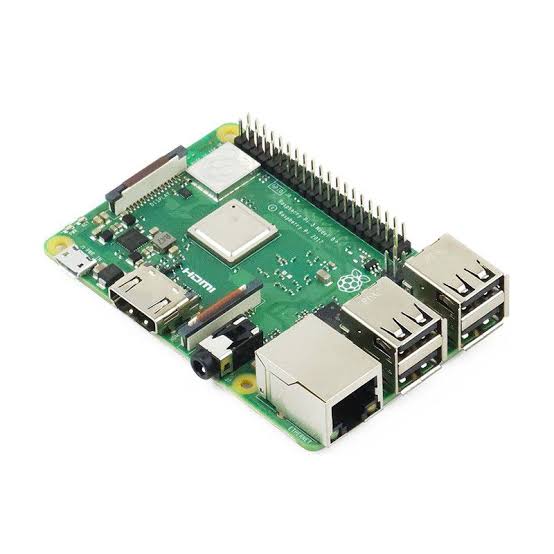
Raspberry Pi is a series of low-cost, credit-card-sized single-board computers developed by the Raspberry Pi Foundation, a UK-based charity originally created to promote computer science education in schools. Despite its small size and affordable price, a Raspberry Pi is a fully functional computer, complete with a processor, RAM, USB ports, HDMI output, and GPIO (General Purpose Input/Output) pins for connecting sensors, LEDs, motors, and other electronics.
Unlike traditional desktop PCs, Raspberry Pi boards typically run on ARM-based processors and use microSD cards for storage instead of traditional hard drives or SSDs. Most models support various operating systems, with Raspberry Pi OS (based on Linux) being the most common choice.
Common Uses of Raspberry Pi
Thanks to its versatility, low power consumption, and small footprint, Raspberry Pi is used in countless projects across different fields:
- Home automation – controlling smart lights, sensors, and appliances through platforms like Home Assistant
- Media centers – running software like Kodi or Jellyfin to stream movies and shows
- Network tools – hosting ad-blockers like Pi-hole or setting up VPN servers
- Retro gaming – emulating classic consoles using RetroPie or similar software
- Learning programming – widely used in schools to teach coding, electronics, and robotics
- IoT projects – powering weather stations, security cameras, and automated gardening systems
- Lightweight servers – running personal websites, file servers, or small databases
Why Raspberry Pi Is Popular in Home Labs
Home lab enthusiasts often choose Raspberry Pi because of its affordability and low power draw compared to traditional PCs or servers. Multiple units can even be clustered together to create small-scale Kubernetes clusters using lightweight distributions like K3s, making it a popular entry point for learning container orchestration without expensive hardware.
Its compact size also means it can be tucked away almost anywhere, whether mounted behind a TV, placed in a network cabinet, or built into custom enclosures for specific projects.
Limitations to Consider
While Raspberry Pi is incredibly versatile, it isn’t designed for heavy computational tasks. Limited RAM, shared storage bandwidth via microSD cards, and modest processing power mean it’s best suited for lightweight applications rather than resource-intensive workloads like video editing or large-scale virtualization.
Final Thoughts
So, what is Raspberry Pi really about? It’s a gateway device that opens the door to programming, electronics, and home server experimentation—all in an affordable, energy-efficient package. Whether you’re building a smart home, learning to code, or setting up a mini home lab, Raspberry Pi remains one of the most accessible tools available today.